
DPIIT Crosses 2.5 Lakh Recognized Startups as Fund of Funds Commitments Reach ₹12,623 Crore
Official Commerce Ministry figures published October 27, 2026 show 2,50,046 recognized startups supporting 25.42 lakh jobs, ₹28,254 crore deployed through SIDBI-backed AIFs, and 4,467 Section 80-IAC tax certificates.


Founding startup engineering and operations team in India. Photo via Unsplash (Free License).
Headline Registry Scale vs. Actual Capital & Tax Screening
Recognized entities under India's Startup India framework reached 2,50,046 firms on October 27, 2026, reporting over 25.42 lakh direct jobs spanning 770+ districts and 56 sectors. Annual recognitions ticked up from 34,200 in FY 2023-24 to 36,440 in FY 2024-25, with 52% registered outside metro cities and 48% having at least one woman director. [1]
Beneath broad registration totals, equity capital and direct tax holidays remain tightly screened. Under the Fund of Funds for Startups, SIDBI committed ₹12,623 crore to 166 Alternative Investment Funds, catalyzing ₹28,254 crore of equity investments (a 2.24x multiple) across 1,475 funded startups. Only 4,467 startups (~1.79% of recognized firms) hold Section 80-IAC tax-holiday certificates, even after angel tax under Section 56(2)(viib) was repealed across all investor classes. [1]
| Scheme / Statutory Pillar | Verified Scale / Deployment | Operational Coverage |
|---|---|---|
| DPIIT Recognized Startups | 2,50,046 entities (>25.42 lakh jobs) | 770+ districts; 52% non-metro; 48% women directors |
| Fund of Funds (SIDBI FFS) | ₹12,623 Cr committed to 166 AIFs | ₹28,254 Cr invested in 1,475 startups (2.24x multiple) |
| Startup India Seed Fund | ₹775.67 Cr approved via 244 incubators | 4,194 startups (2,147 women-led; 2,356 Tier-II/III) |
| Credit Guarantee Scheme | ₹1,662.71 Cr across 532 loans | Cover doubled ₹10 Cr to ₹20 Cr; 1% fee for 27 sectors |
| Public Procurement (GeM) | 43,260 startup sellers (up from 7,929 in 2021) | 6.23 lakh public orders worth ₹68,105 crore |
| Section 80-IAC Tax Screening | 4,467 eligible startups (~1.79% share) | 63 total reforms incl. angel tax abolition & LTCG parity |
Procurement Access and Broader Deregulation Context
Public procurement has turned into an accessible revenue channel for early startups. Following waivers on Earnest Money Deposits (EMD), prior turnover, and prior experience, startups selling on the Government e-Marketplace (GeM) grew from 7,929 in January 2021 to 43,260 in October 2026, fulfilling 6.23 lakh orders valued at ₹68,105 crore. [1]
On broader compliance, central ministries and states reduced 47,957 regulatory filings and decriminalized 900 provisions across Jan Vishwas Acts (183 provisions in 2023 and 717 in 2026), while the National Single Window System processed over 8.5 lakh digital approvals across 5,76,778 registered businesses. [1]
Found this analysis valuable?
Save to your reading list, cite in research, or share with engineering peers.
This report was compiled and verified according to The Story Desk's editorial standards. We do not accept payment to influence analytical conclusions. Notice a factual error? Submit an editorial review request through our transparent Corrections Desk.
The Story Desk
Editorial DeskThe Story Desk newsroom provides independent, verifiable reporting and analytical deep-dives across technology, finance, policy, startups, and macroeconomics.
Reader Perspectives & Field Critiques
The Story Desk invites reasoned counterarguments, primary-source corrections, and practitioner field reports. Curated submissions are reviewed by our newsroom and published with author attribution below this piece.
More From Startups & Venture
View All Desk Stories →
India's Venture Exit Reset: Why Public Markets Now Outweigh Private Paper Markups
Indian venture funding recovered to ~$16 billion in 2025 alongside ~$7 billion in total exits, yet VC-backed IPO counts halved from 17 to 8 while $100M+ listings captured ~$1.8 billion of IPO liquidity. For founders, public-market price discovery now dictates private capitalization.
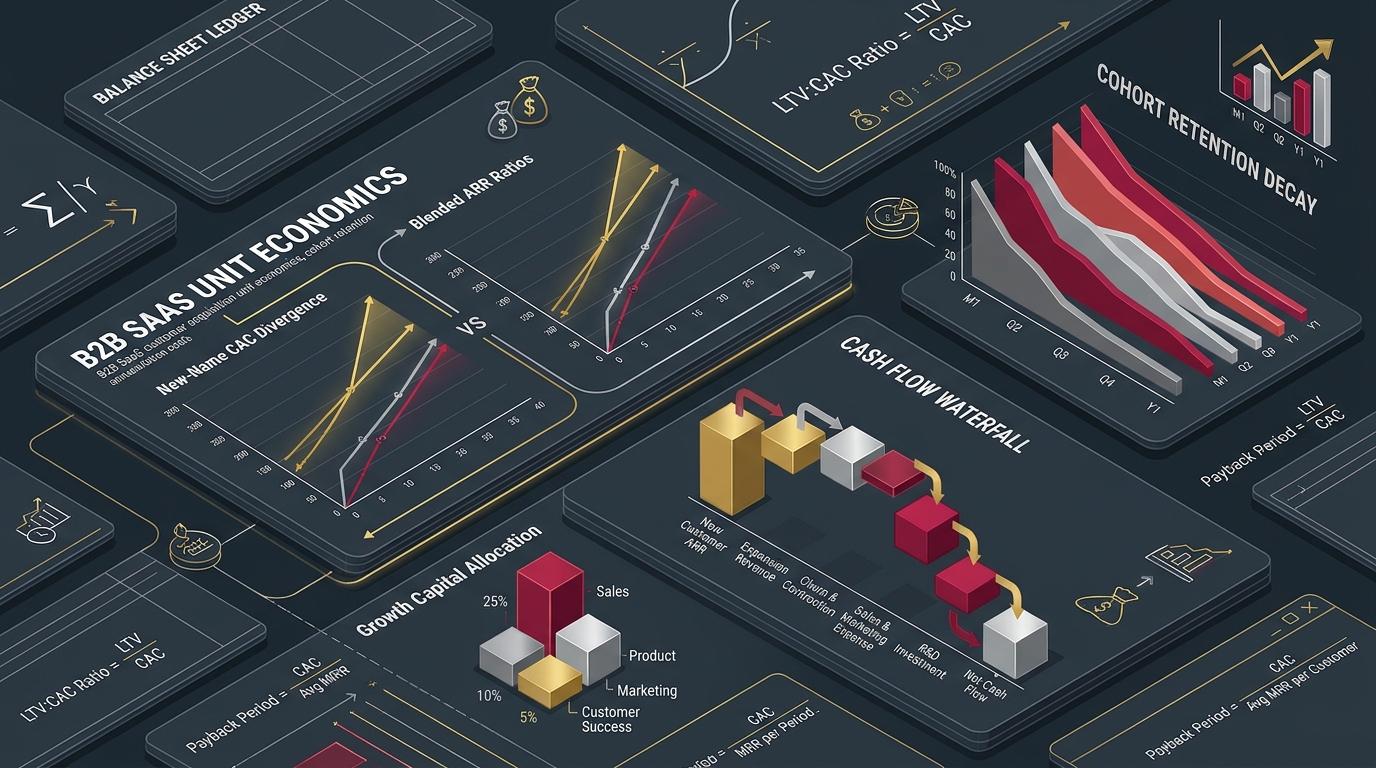
The End of Unexamined Blended CAC
How startups should read acquisition efficiency in 2026, and why one metric cannot answer every capital-allocation question.
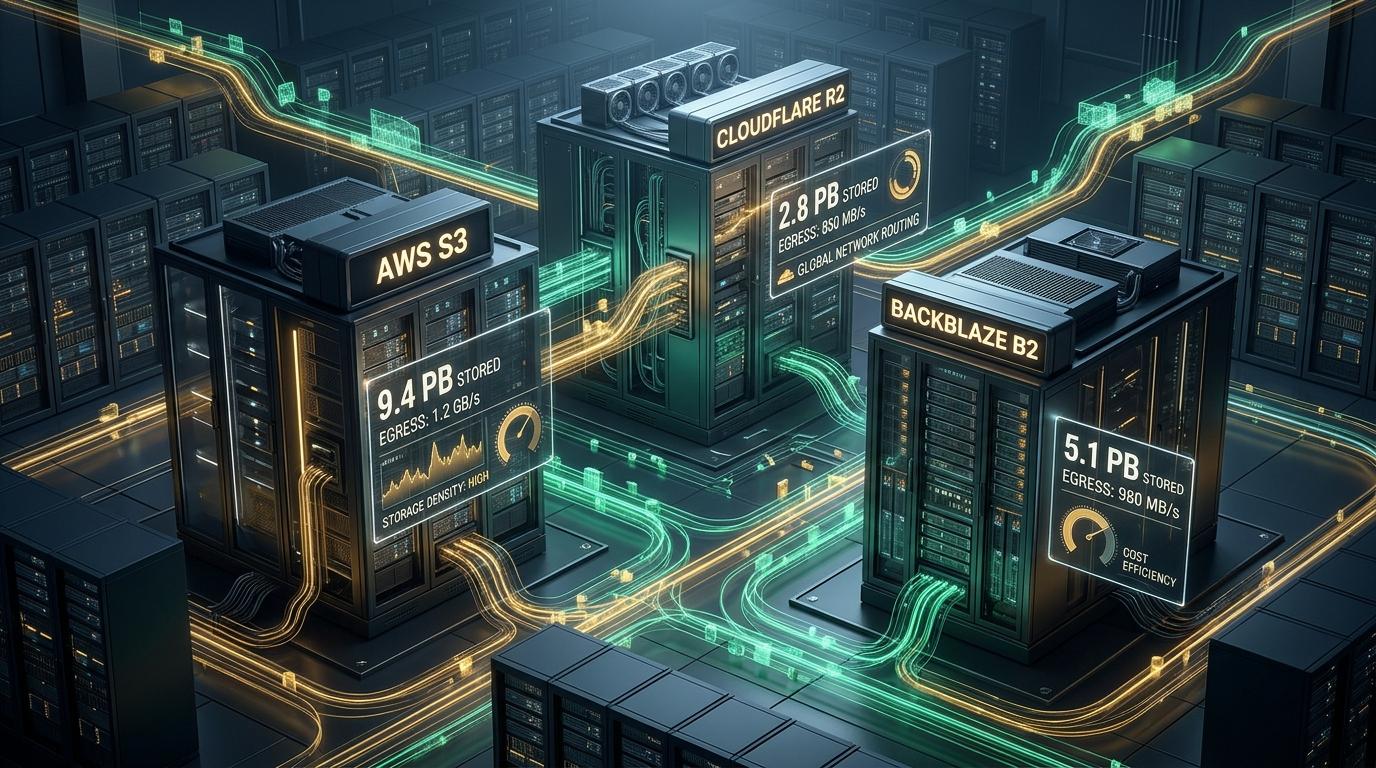
AWS S3 vs. Cloudflare R2 vs. Backblaze B2 Pricing: Real Egress Cost Math at 10 TB, 100 TB, and 1 PB
A verified November 2026 cost audit of S3-compatible object storage, cloud egress fees, API operation pricing, AWS networking traps, migration fee waivers, and the exact 3.8× break-even threshold.